Solo Travel Guide Book: What It Is and What’s Inside
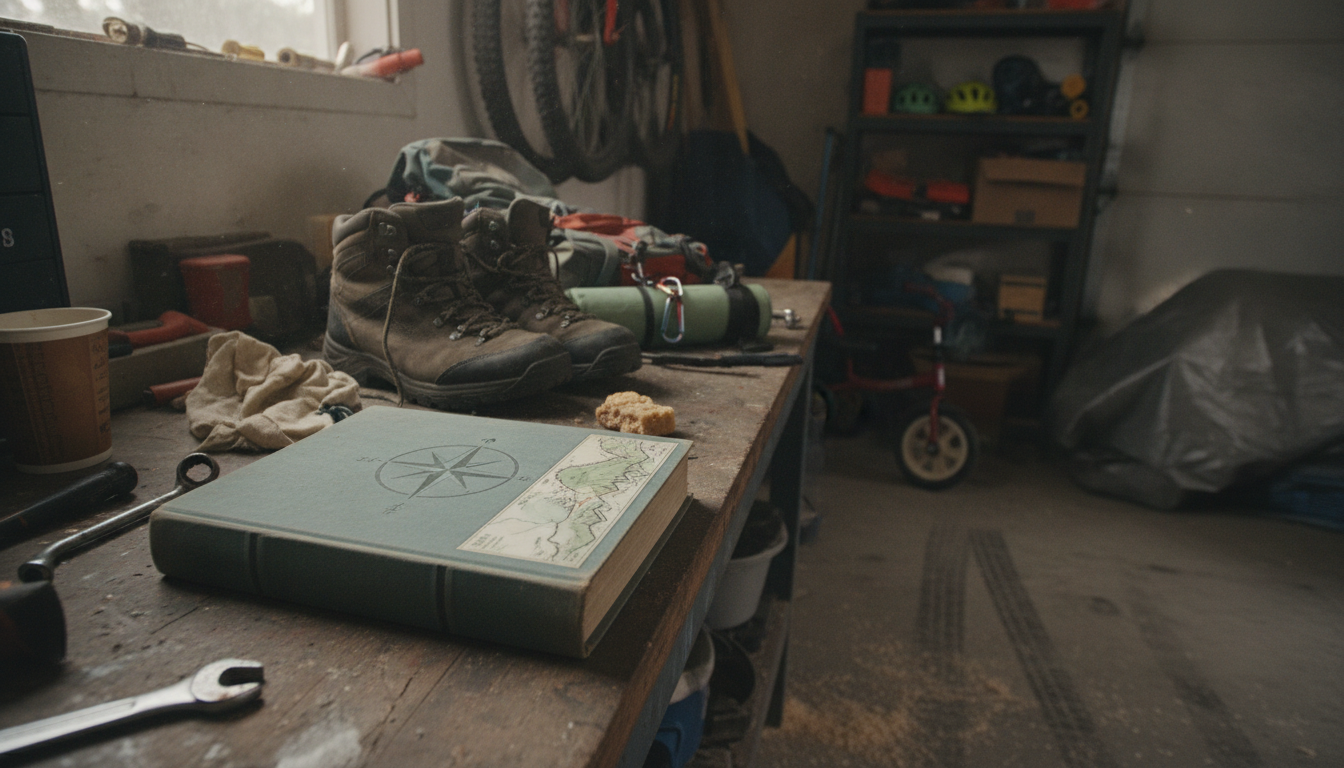
What is the guide to solo travel book?
A guide to solo travel book is a practical, confidence-building resource designed to help someone plan, book, and enjoy a trip alone. It typically combines planning checklists, safety guidance, budgeting tips, and destination know-how with advice on mindset—how to handle nerves, loneliness, or decision fatigue when everything is on you.
Unlike a standard destination guide that mainly lists sights and restaurants, a solo travel guide focuses on the realities of traveling independently: choosing the right accommodations, navigating transportation smoothly, staying aware without feeling fearful, and creating a flexible itinerary that doesn’t depend on a companion’s schedule.
What you’ll usually find inside a solo travel guide
Planning and packing frameworks
Many books include packing lists tailored to different climates and trip lengths, plus templates for itineraries and pre-departure tasks (documents, insurance, copies of IDs, emergency contacts). Good guides also cover what to keep on your person versus stored in luggage.
Safety and situational awareness
Expect clear strategies for avoiding common pitfalls: using transport safely, choosing neighborhoods wisely, handling nightlife, and keeping valuables secure. The best advice is practical and non-alarmist—helping solo travelers feel prepared, not restricted.
Budgeting and booking tactics
A solo traveler often pays a “single supplement” in some situations, so guides frequently offer ways to reduce costs, compare lodging types, and book transportation efficiently. You’ll also see tips for staying connected, managing currency, and tracking expenses on the go.
Meeting people without depending on them
Solo travel doesn’t have to mean being alone the whole time. Many guides explain how to join group day tours, classes, or local experiences, plus how to set boundaries and trust instincts while still being open to connection.
How to choose the right guide to solo travel book
Look for a book that matches your travel style (budget, comfort level, adventure vs. slow travel), includes current resources, and offers actionable steps rather than vague inspiration. For a deeper overview of what to expect and how it’s used, visit https://leadinghithut.shop/what-is-the-guide-to-solo-travel-book/.
FAQ
What should a solo traveler plan first?
Start with your destination basics: entry requirements, neighborhood research, and a realistic budget. Next, book the first nights of lodging and your primary transportation so you arrive with a clear plan and safe landing point.







Leave a comment