3-3-3 Rule for New Puppies: Days, Weeks, Months
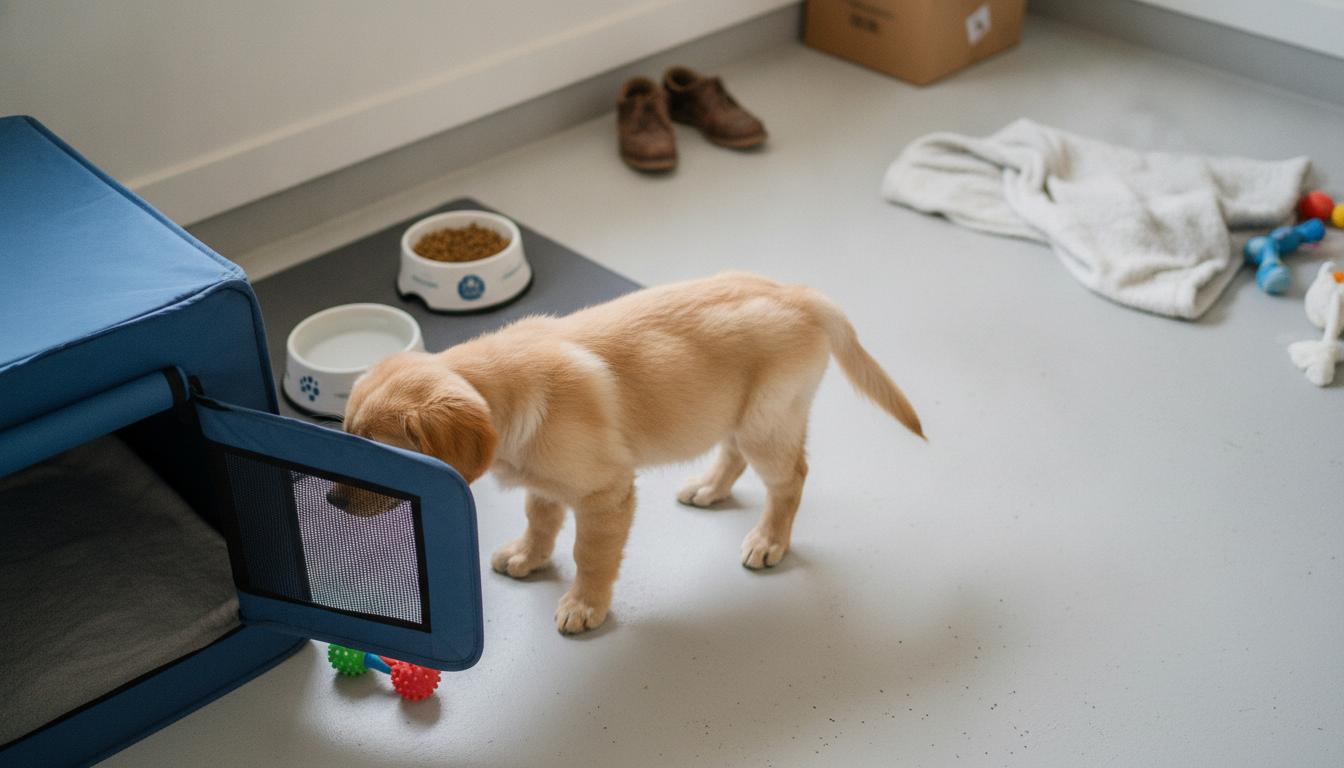
What is the 3 3 3 rule for new puppies?
The 3 3 3 rule is a simple timeline that helps set realistic expectations for a puppy’s adjustment after coming home. It breaks the transition into three stages—about 3 days, 3 weeks, and 3 months—so you can focus on the right kind of support at the right time.
The first 3 days: decompress and feel safe
During the first few days, many puppies are overwhelmed. You might see hesitancy, whining, accidents, pacing, or the opposite—extra sleep and shutdown behavior. Keep life quiet and predictable: short potty breaks, gentle introductions, and a consistent feeding and sleep schedule. Avoid large crowds, long car trips, and a parade of visitors. This is the “let’s learn the basics and breathe” phase.
The first 3 weeks: build routines and trust
As your puppy settles, personality starts to show. This is when routines begin to stick: potty training, crate training, name recognition, and simple cues like “sit.” Puppies can also start testing boundaries, so consistency matters. Keep training sessions brief, reward calm behavior, and provide safe, age-appropriate outlets for chewing and energy. Gradually introduce new people, places, and sounds in a controlled way to support healthy socialization.
The first 3 months: feel at home and grow confidence
By around three months, many puppies understand household patterns and feel more secure. You’ll often notice fewer stress behaviors and more curiosity. Continue reinforcing training, expanding social experiences, and practicing alone-time skills so separation anxiety is less likely to develop. Remember that setbacks are normal—teething, growth spurts, and fear periods can temporarily change behavior.
For a deeper walkthrough of what to expect and how to support your puppy during each stage, visit the complete guide here.
For 3-3-3 Rule for New Puppies: Days, Weeks, Months, the best answer depends on fit, material, care instructions, and how the product will be used day to day.
FAQ
How can I tell if my new puppy is stressed?
Common signs include hiding, trembling, excessive panting, yawning when not tired, loss of appetite, diarrhea, or clinginess. Reduce stimulation, keep routines steady, and contact a veterinarian if symptoms are intense or persistent.











Leave a comment